
Everyday Goods, Reinvented with Eco‑Smart Materials

Join us as we explore eco‑friendly material innovations for common household goods, from plant‑based polymers and recycled fibers to repairable composites and safer coatings. You’ll learn how these advances reduce waste and toxins, avoid greenwashing, and deliver real durability. We’ll share practical picks, field notes from daily use, and easy habit shifts you can try today. Tell us what works in your home and subscribe for fresh ideas.

Bottles, Jugs, and Cleaners: Packaging That Finally Makes Sense

Cleaning products touch our skin and sinks every day, so the packaging should be as thoughtful as the formulas. Emerging options blend recycled HDPE for strength with plant‑based layers for renewability, while refill stations slash shipping emissions and clutter. We’ll compare durability, leak resistance, and end‑of‑life pathways, share a quick kitchen‑sink spill test we ran last month, and highlight labels that actually mean something when you’re choosing your next bottle.

01

Plant‑Based Polymers That Actually Degrade

Not all bioplastics behave alike. Polyhydroxyalkanoates can break down in managed composting with heat and oxygen, unlike many PLA blends that persist without proper conditions. Look for clear guidance on industrial versus home composting, realistic timelines, and food‑contact safety. We also examine barrier performance for detergents, because greener packaging must survive a week in a damp cabinet without buckling, leaking, or smelling like a science experiment.

02

Recycled Plastics Done Right

Post‑consumer HDPE works well for sturdy jugs when manufacturers embrace color variability and publish the actual recycled content percentage. Mineral fillers can add rigidity without heavy virgin resin, while modern, non‑toxic stabilizers help resist UV and cleaner chemicals. We explain why opaque, slightly speckled bottles can be the honest choice—and how to rinse, dry, and recycle them so they stay in the loop instead of heading to landfill.

03

Refill and Concentrate Systems

Concentrated formulas ship less water, shrink packaging, and lower carbon footprints, especially when paired with durable dispensers you keep for years. We review trigger heads that survive thousands of pulls, pumps that resist clogging, and labels that withstand steamy bathrooms. A neighbor told us one glass sprayer outlasted three apartments; those savings felt real. Share your favorite refills and we’ll test them against hard‑water and greasy‑pan challenges.

Soft Goods That Work Hard: Towels, Sponges, and Cloths

Textiles touch our faces, plates, and counters, so fiber chemistry matters. Better options favor closed‑loop production, natural resilience, and easy care with cold water. We compare bamboo lyocell to rayon, hemp to cotton, and cellulose sponges to polyurethane, noting drying time, odor resistance, and compostability. Expect measured absorbency tests and real‑world laundry observations from a hectic household with kids and pets. Tell us what survived your busiest week and we’ll include your tips.

Bamboo Lyocell and Closed‑Loop Fibers

Unlike conventional bamboo rayon, lyocell uses a closed‑loop solvent system that recovers and reuses nearly all chemicals, producing smooth, strong fibers with fewer emissions. We explain GSM ratings, weave density, and how fabric construction shapes absorbency and drying performance. Learn why lighter towels can paradoxically dry faster and last longer. Share your wash routines—detergent type, spin speeds, and drying methods—so we can replicate conditions and report results that reflect everyday life.

Hemp and Linen Blends for Durability

Hemp and flax fibers bring natural strength, mildew resistance, and quick drying, making them ideal for kitchen towels and multipurpose cloths. We discuss blend percentages that balance softness with longevity, pre‑washing to tame lint, and stitching that avoids unraveling. Anecdote: our oldest hemp dishcloth keeps outlasting flashy microfiber. If you’ve patched a favorite cloth rather than tossing it, tell us how, and we’ll test reinforcing seams and hems.

Cellulose and Bacterial‑Cellulose Sponges

Wood‑pulp cellulose sponges and newer bacterial‑cellulose pads absorb fast and can be composted when truly uncoated. We break down resins, dyes, and scrub layers to avoid, then share sanitizing routines—boiling, peroxide, sun—that extend life without harsh chemicals. A quick sink experiment ranked stink resistance over two weeks. Add your tricks for eliminating odors, and we’ll run side‑by‑side trials across dishwashing, bathroom scrubbing, and stubborn stovetop splatters.

In the Kitchen: Utensils, Plates, and Food Storage That Respect Ingredients

Bioceramic Coatings Without PFAS

Traditional nonstick often relies on fluorinated chemicals that persist in the environment. Newer sol‑gel ceramic systems create slick, hard surfaces without PFAS, though they trade ultimate slipperiness for better scratch tolerance. We evaluate seasoning behavior, egg tests, and metal‑utensil scuffs. Learn care tips—lower heat, gentler detergents—that extend life. If you’ve switched from old nonstick, tell us what surprised you most, and we’ll factor it into our durability timeline.

Wood Composites with Bio‑Resins

Cutting boards and utensils now pair fast‑growing woods with plant‑based binders made from lignin, citrus terpenes, or linseed‑oil chemistry. These composites resist warping and accept repairs, avoiding formaldehyde and brittle petro‑resins. We slice tomatoes, rest knives, and soak edges to check swelling. Food‑safe finishes matter, too, so we explain curing oils versus waxes. Share your maintenance rituals, and we’ll publish a simple schedule that balances hygiene with longevity.

Glass, Recycled Steel, and Honest Longevity

Glass containers and recycled stainless steel offer inert, durable storage with real end‑of‑life pathways. We compare lid gaskets, seal fatigue, and dishwasher etching over months. Recycled content certificates matter, as do nickel sensitivities for some users. Our drop‑from‑fridge test taught humility and better shelf‑height choices. Tell us which shapes stack best in your fridge, and we’ll chart space efficiency alongside material safety and cleaning ease.

Bagasse, Wheat Straw, and Bamboo Papers

Residues from sugarcane and grain harvesting can become smooth, strong paper with modern pulping and bleaching that avoids elemental chlorine. We outline certifications, traceability, and how fibers influence softness. Expect tear tests and dissolvability checks that simulate real drains. We also discuss sourcing to prevent land‑use conflicts. Tell us which products held up in your bathroom or lunch bag, and we’ll analyze the fiber mix and additives.

Compostable Barriers and Water‑Based Inks

Grease‑resistant wraps and to‑go containers often use coatings; not all are equal for soil or recycling streams. We explore PHA, PBS, and mineral blends that provide barrier performance without forever chemicals, along with water‑based inks that avoid heavy metals. Field compost tests reveal realistic breakdown timelines. If a wrapper melted onto your pizza stone, tell us, and we’ll test heat resistance and safer alternatives for busy kitchens.

Gadgets and Gear: Cases, Cords, and Small Appliances With Lighter Footprints

Electronics and accessories live everywhere at home, yet few consider the materials around the circuitry. We examine bio‑based ABS, recycled ocean‑bound plastics, modular screws instead of glue, and safer elastomers for grips and cables. Expect repairability notes, scuff tests, and drop trials. We’ll show how end‑cap design affects recyclability and noise, too. Recommend a device you love, and we’ll profile its materials story with clear sourcing details.

Bio‑ABS and Ocean‑Bound Recycled Plastics

Several brands now blend bio‑sourced feedstocks into ABS and capture plastics collected near waterways to prevent ocean leakage. Mechanical performance remains solid when formulations publish impact and heat ratings. We review UV stability, texture coatings, and colorfastness after sunlight exposure. Certifications and chain‑of‑custody matter, so we trace documentation. Tell us which cases resisted yellowing on your windowsill, and we’ll add data to our comparative charts.

Modular Fasteners Beat Glue

Snap fits and visible screws make small appliances easier to repair, reducing waste and extending useful life. We open chargers and fans to document part markings, spare‑part availability, and cable replaceability. Adhesive‑free assemblies also improve plastic sorting by polymer type. If you’ve performed a triumphant kitchen‑table fix, share a photo and steps, and we’ll design a simple checklist to help others do the same safely.

Grip, Quiet, and Comfort With Natural Materials

Small design choices change daily experience. Natural rubber feet hush countertop vibrations, while cork in handles softens grip and adds renewable content. We compare slip resistance on wet marble, off‑gassing smells during unboxing, and long‑term compression set. If your mixer walked across the counter once, we feel you. Share stabilizing hacks, and we’ll verify which pads and patterns actually tame noise and wandering appliances.

End‑of‑Life Reality Check: Compost, Recycle, or Reuse?
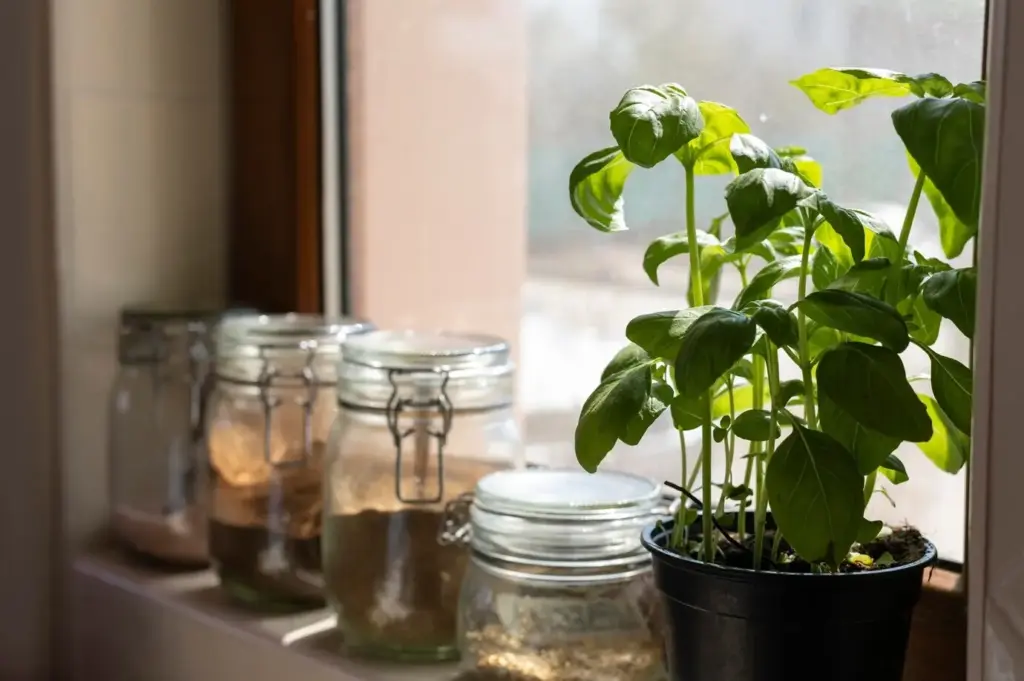
Materials only tell half the story; what happens after use matters just as much. We outline home versus industrial compostability, local recycling constraints, and the power of reuse and repair groups. Expect simple decision trees and honest caveats. We’ll explain contamination pitfalls that derail good intentions. Tell us your city and we’ll link relevant programs, then invite you to share results so neighbors learn from your experience.

Home Versus Industrial Composting, Demystified
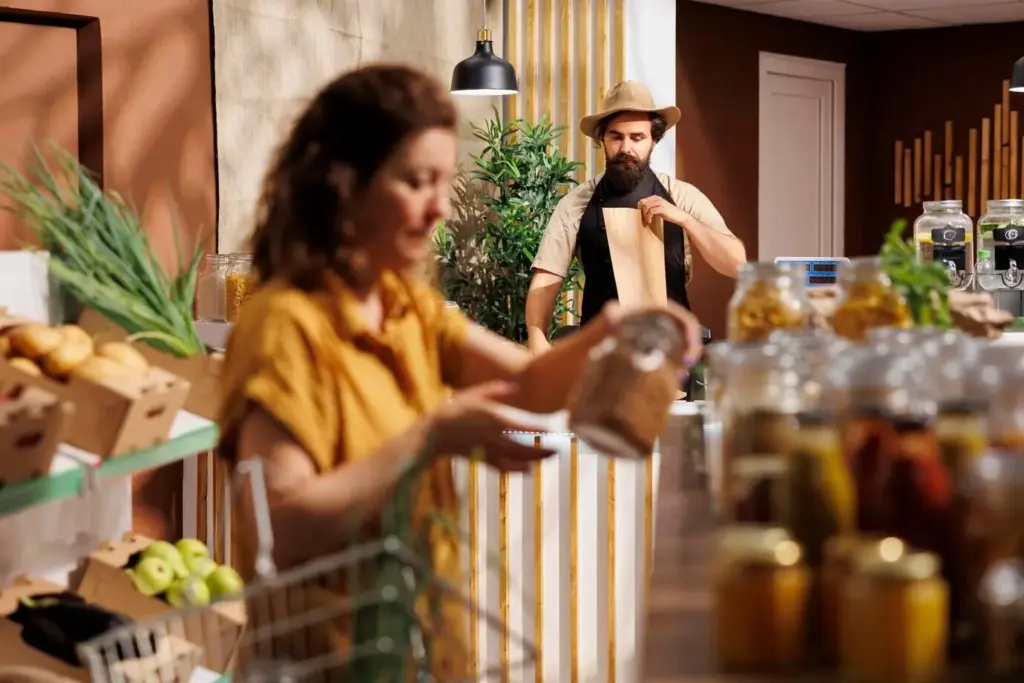
Composting labels can be confusing. Industrial facilities maintain high heat and airflow that speed biodegradation, while backyard piles vary seasonally and handle fewer materials safely. We walk through symbols, expected timelines, and what never belongs there. Our winter bin trial taught patience and better shredding. Share your climate, and we’ll suggest adjustments for moisture, carbon‑to‑nitrogen balance, and bin choices that fit small patios, garages, or community gardens.

Certifications You Can Actually Use

Logos can empower smarter decisions when you know what they verify. We decode BPI and TÜV OK compost, FSC for fibers, GRS for recycled content, and credible ecolabels like Blue Angel and EU Ecolabel. Learn scope, audits, and limits to avoid overclaiming. Tell us which marks you see locally, and we’ll map the most common ones to purchase scenarios so your next aisle choice is faster and calmer.
Mipuxeleropopunu
Privacy Overview

This website uses cookies so that we can provide you with the best user experience possible. Cookie information is stored in your browser and performs functions such as recognising you when you return to our website and helping our team to understand which sections of the website you find most interesting and useful.